Latif Walugembe.
A coach, before anything else.
He has coached national teams, prepared young athletes for international competition and worked at the highest levels of professional boxing.
But ask Walu what gives him the most energy, and he comes back to the same thing:
developing young talent and passing on what he knows.
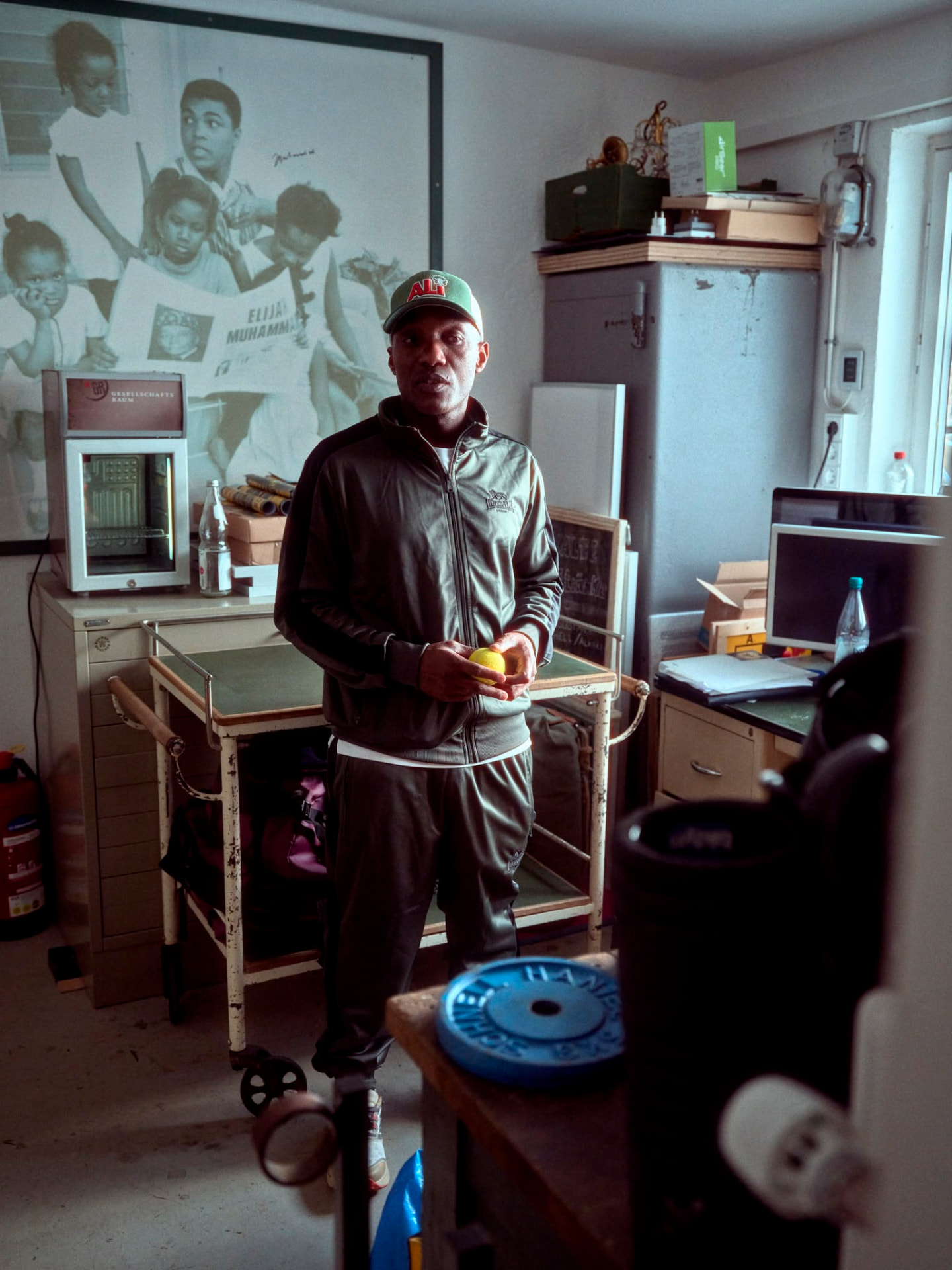
The tournament that changed his path.
Walu had been active in boxing since around 2001 and was already helping as a co-trainer at club level.
In 2006, medical complications kept him from competing in a major national league tournament. When the team’s trainer could not make it, Walu took over.
The team won.
That result changed his direction.
In 2007, Walu completed his national coaching certification, led his club to overall victory at the national championships and was appointed coach of Uganda’s U17 national boxing team.
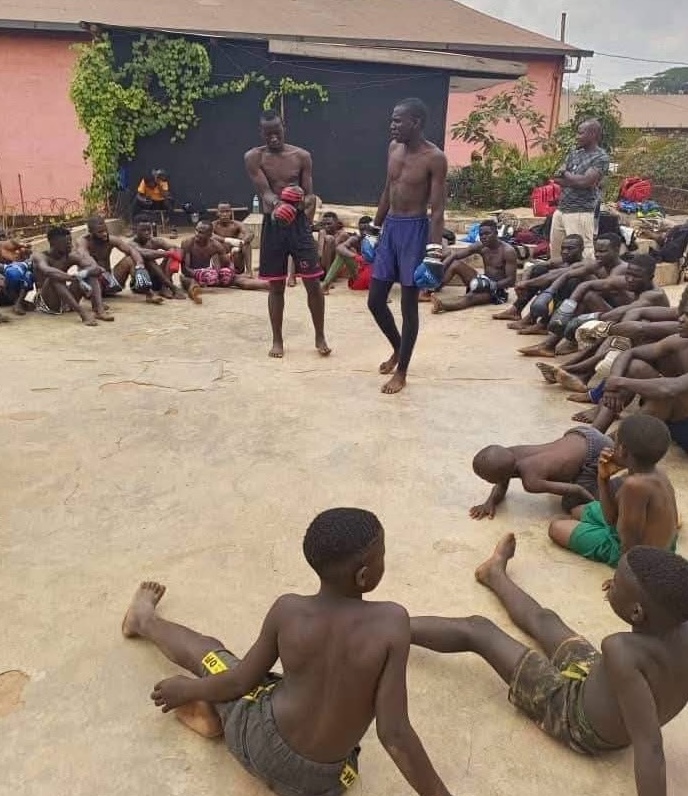
From young coach to international stages.
What followed was a career across youth development, national teams, professional boxing and sports leadership.
Walu prepared young athletes for international championships, coached fighters to African titles and worked with athletes and teams across Africa, Europe, Brazil, Japan and the United States.
Through every stage, one part of the work remained constant:
seeing potential, and knowing how to develop it.
More than two decades in the sport.
- National Team Coaching
- Uganda
- International Competition
- Africa · Europe · Brazil · Japan · USA
- Professional Title Success
- WBA Africa · African Boxing Union
- International & Professional Qualifications
- IOC · DOSB · WBC
- Munich, since 2024
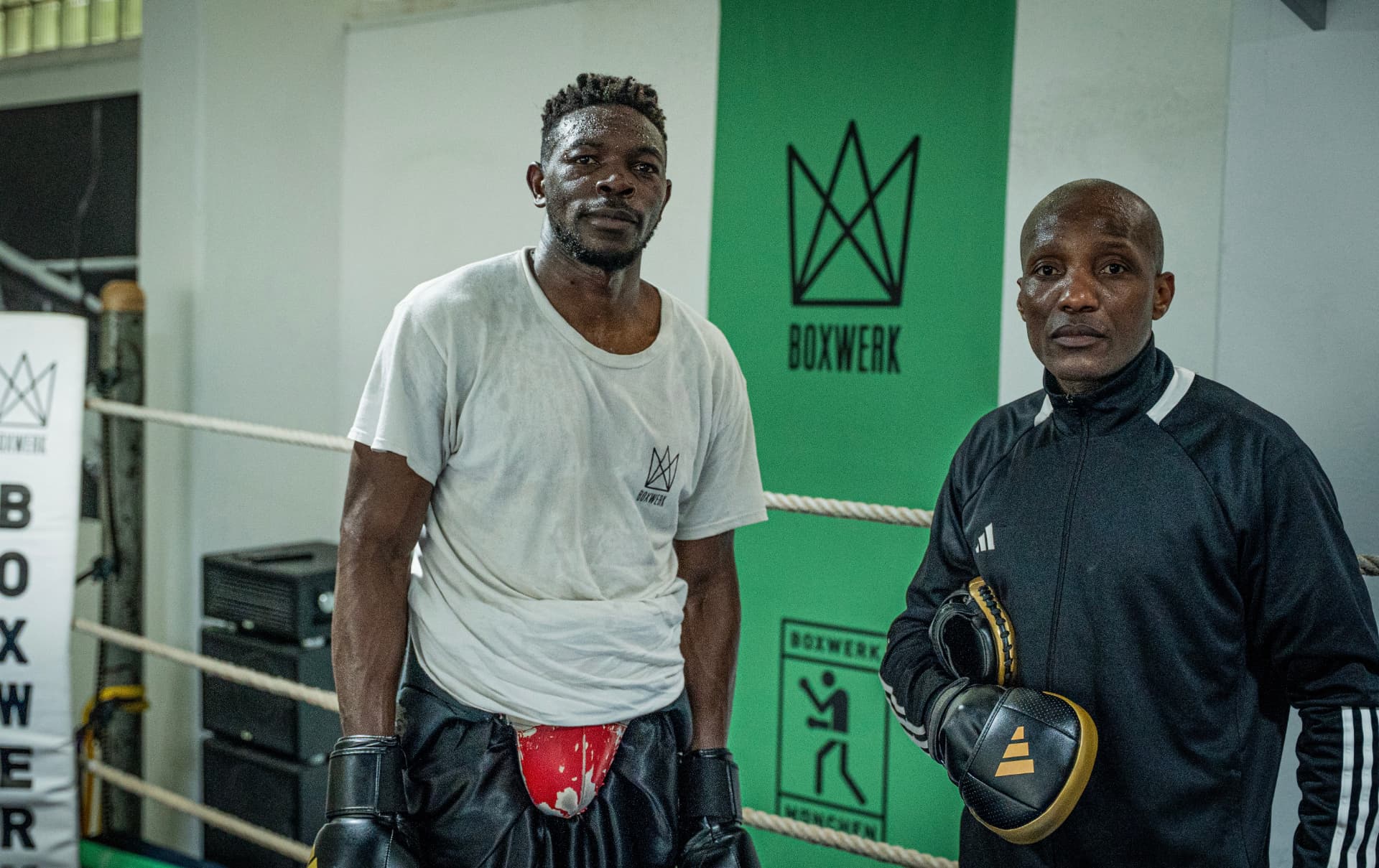
- Coach at Boxwerk Munich
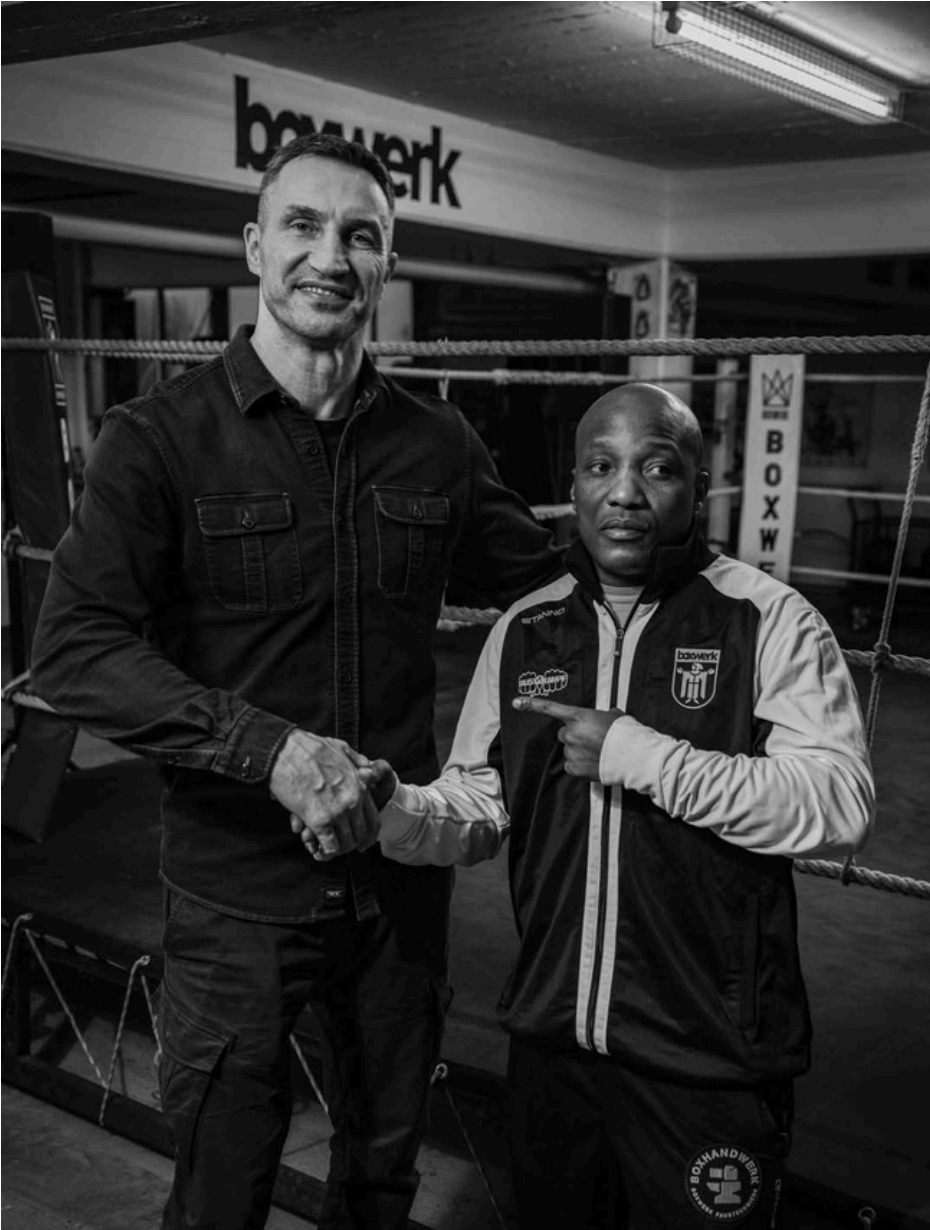
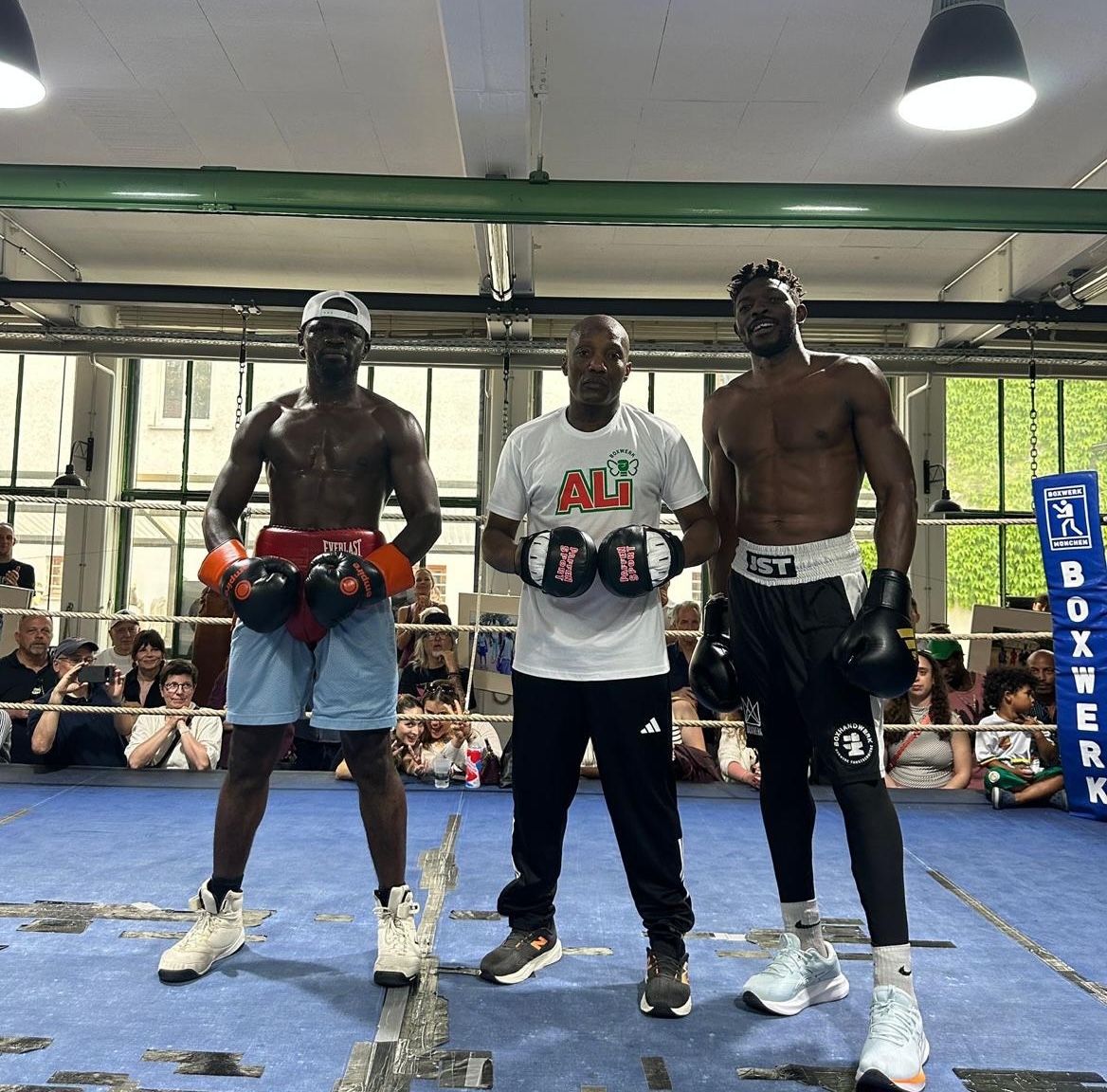
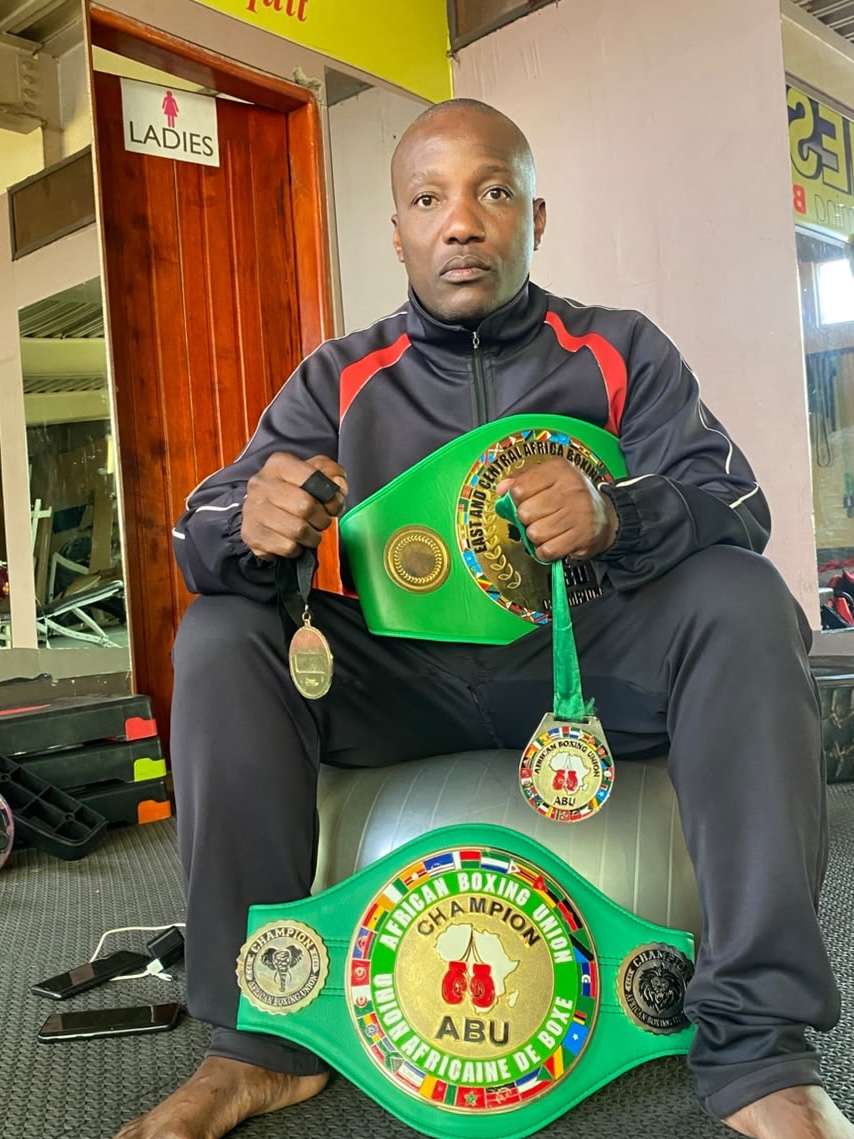
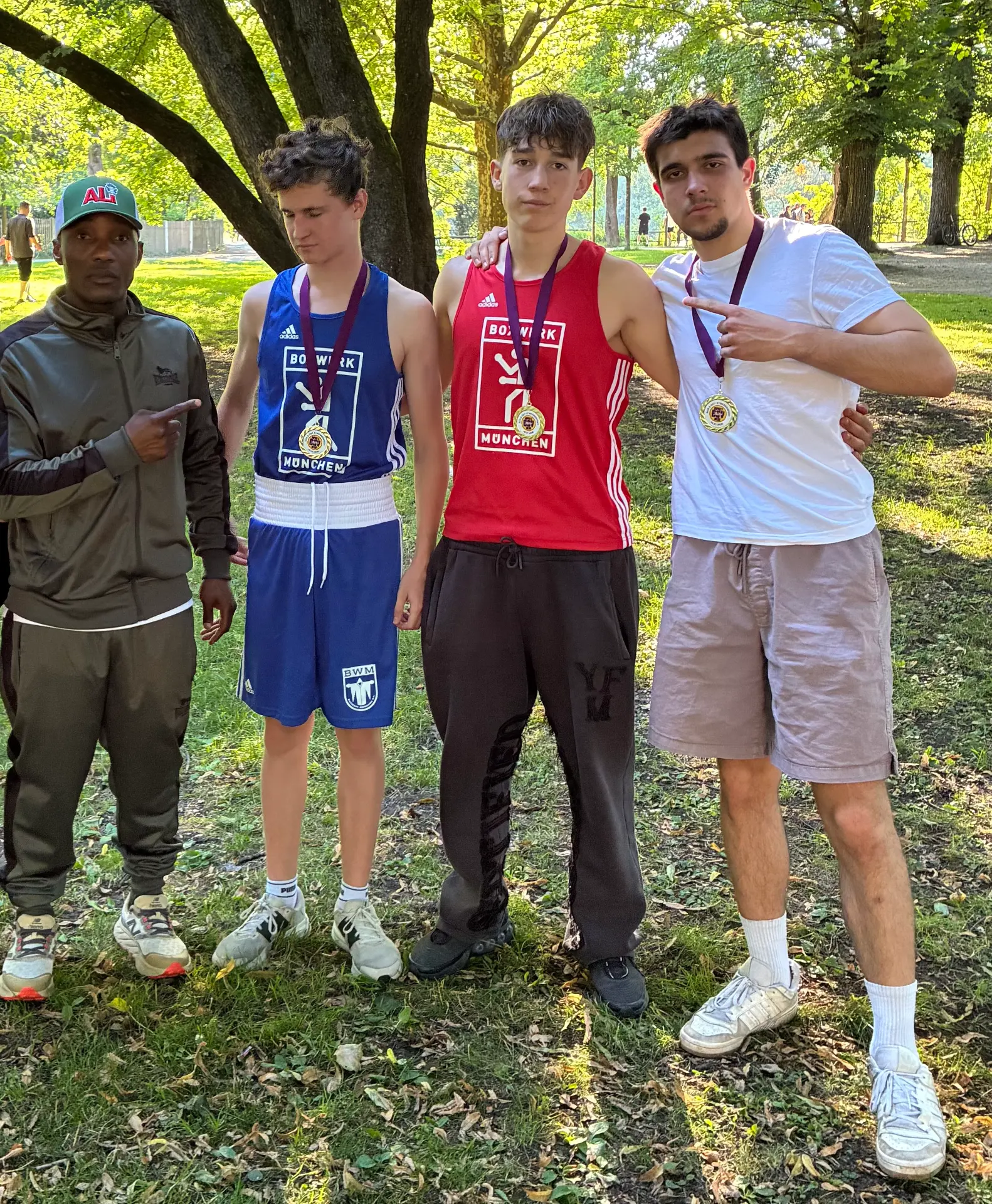
Uganda and Munich, grassroots to professional, with Wladimir Klitschko at Boxwerk Munich, African Boxing Union titles, and the young boxers of today
Leaving Uganda. Beginning again in Munich.
In 2024, Walu had to leave Uganda because of political circumstances and begin a new chapter in Germany.
He arrived in Munich after years of professional responsibility in sport, but without the platform, network and position he had built over time.
At Boxwerk Munich, Walu began coaching again.
Through working with athletes and young people, he built new relationships, reconnected with his profession and found a place that gradually became his second home.
Boxing became the way back in.
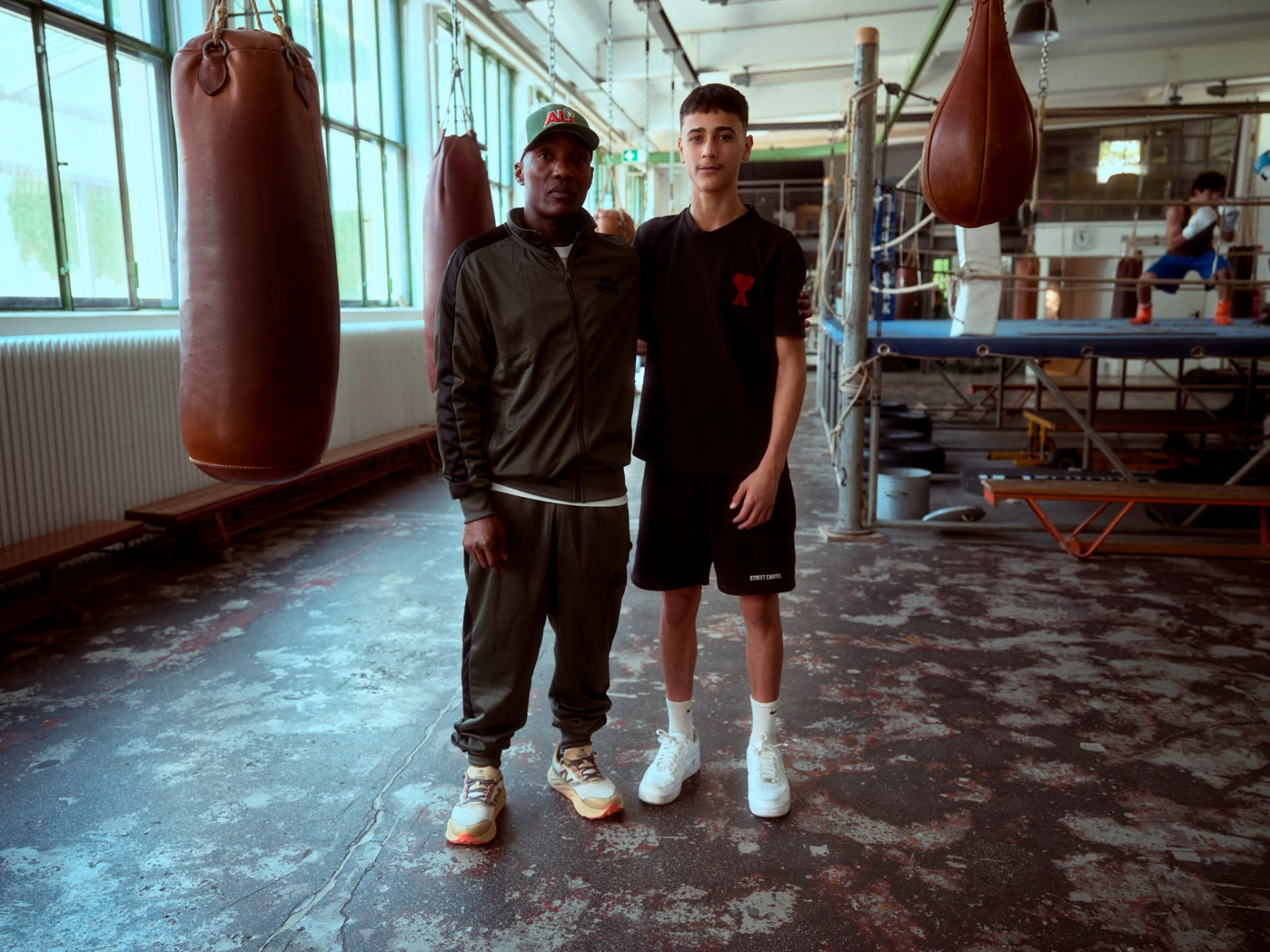
All in for the future.
Walu says he feels most alive when he is sharing his knowledge and experience with young talent.
For him, developing the next generation is not simply another part of coaching. It is a responsibility.
I don’t want to die with this knowledge. I want to pass it on.
That is what Walu’s Corner is being built to make possible.
To create more opportunities for young people to enter the sport, stay long enough to develop and find out where their own path can lead.